
A Seasonal Checklist for Preparing a Woodland Cabin for Winter
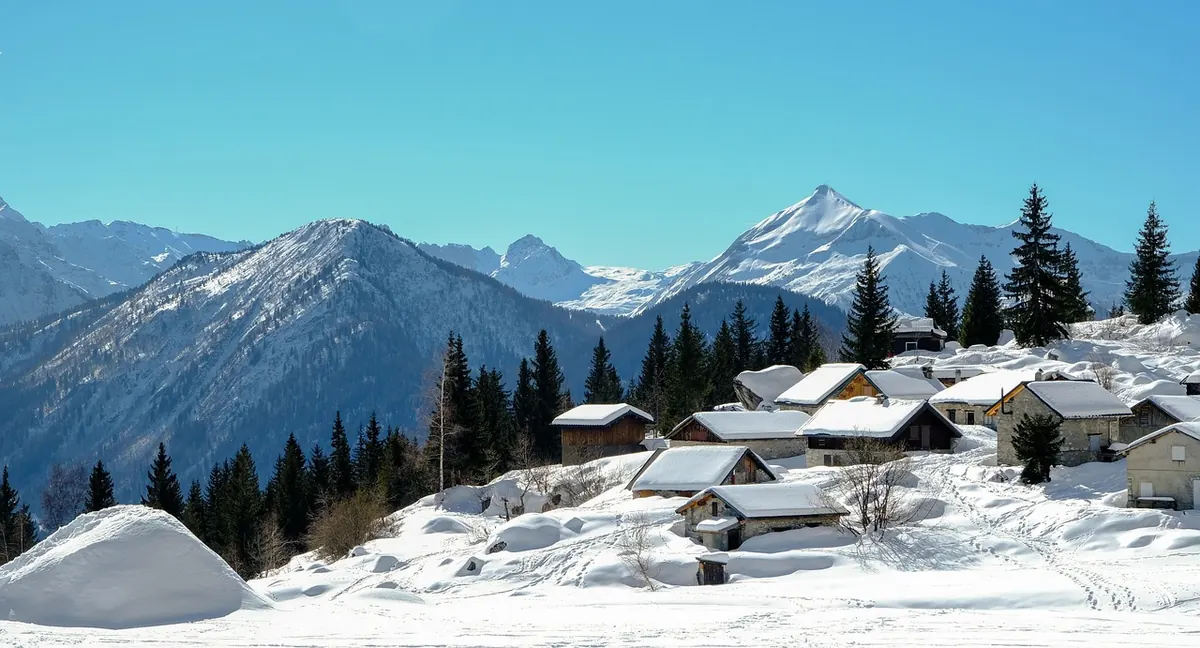
Every autumn the woodland cabin changes job. In June it is a place to leave the doors open; by late October it is a shelter, and shelters have to be taken seriously. The shift happens quickly. One week you are eating outside, the next the first frost has silvered the steps and the stove is drawing badly because the flue is holding a season's worth of soot.
A checklist is not fussiness. It is how you keep the whole arrangement enjoyable: the walk up the track in the dark, the first real fire, the mug of something hot while the wind works the larch outside. Most winter problems in a forest cabin are small failures that were cheap to prevent in September and miserable to fix in January. What follows is the order I work through, from the ridge down.
Start at the top: roof, gutters and what the ground does with water
Climb up or walk back with binoculars and look at the roof properly. Slipped shingles, a lifted ridge flashing, a sealant bead gone chalky around the chimney — these are the things that turn into a stained ceiling in February. From inside, run a torch across the ceiling boards and around the flue penetration. Any rusty ring or dark bloom means water is already finding a way in.
Clear the gutters and the valleys. In a forest this is not a yearly chore so much as a twice-yearly one, because leaves and needles arrive in quantity. A blocked gutter sends water down the wall and into the footing, which is where slow, expensive damage begins. While you are up there, cut back any branch that hangs over the roof. Snow loading and a bit of wind will do the rest, and a limb through the roof is a bad way to start December.
Then look down. Walk the perimeter after heavy rain and see where water actually goes. Clear the culvert at the top of the track, cut a shallow swale on the uphill side if the ground is running towards the cabin, and make sure the ground falls away from the walls rather than towards them. Check the woodpile's cover and the path to the door while the ground is still soft enough to improve.
Close the gaps: draughts, windows and doors
On a windy day, take a candle — or the back of your hand, which is more sensitive than you think — and tour the walls at skirting height, around window frames, along the door threshold and behind the kitchen units. Cold air moving is easy to feel and cheap to stop.
Weatherstripping on the doors and a brush or draft excluder at the threshold will do more for comfort than an extra layer of insulation in the roof. Foam gaskets behind switch plates and socket outlets are a ten-minute job that pays for itself on the first cold night. Renew any cracked caulk outside before the temperature drops below the point where it will cure.
For single-glazed windows, secondary glazing film on the frames works well and is removable in spring. Heavy curtains, closed at dusk, are just as effective and far more pleasant. One caution: do not seal a room that contains a stove or any open flame. Appliances need air, and a modern stove needs a permanent ventilated supply. Seal the draughts, not the breathing.
Heat: the stove, the flue and the woodpile
Get the chimney swept before the season starts, and every year. If you burn regularly, or burn unseasoned wood, it matters more. Creosote in a flue is the single most predictable cause of a chimney fire, and a professional sweep will also tell you what condition the liner is in. This is not a job to improvise with a brush on a rope if you are unsure of the flue's construction.
Then go over the stove itself. The door gasket should be supple and should grip a sheet of paper all the way around. Cracked firebricks, a warped baffle plate or a broken grate all shorten the life of the stove and make it burn badly. Check the flue damper moves freely, and that the chimney cap is still on and clear of nests.
Wood is next. Split it, stack it off the ground, cover the top but leave the sides open to the wind, and give it time — a year for softwoods, longer for dense hardwoods. Well-seasoned wood sounds hollow when two pieces are knocked together, and the ends are cracked. Bring in a modest indoor rack for daily use, but resist filling the room: a large indoor stack brings insects, damp and a fire risk near the stove.
Finally, fit and test a carbon monoxide alarm. A stove that has burned cleanly for years can still back-draft on a still, cold night. If you have any doubt about an appliance, ask a qualified installer rather than guessing.
Water: pipes, traps and the freeze line
Know exactly where the main shutoff is, and make sure it turns. If the cabin will stand empty in hard frost, drain the system properly: shut off the supply, open the taps, drain the tank and the water heater, and blow out the lines if you can. Empty the toilet cistern and bowl, and pour a little antifreeze made for plumbing systems into the traps so they do not split. Do not use automotive antifreeze for this.
For pipes that stay in service, insulate everything you can reach — loft runs, the run to the outdoor tap, the section along the north wall. A heat cable on the vulnerable stretch is worth considering if you have reliable power. Leave a tap dripping slightly during a hard freeze; moving water freezes more slowly, and the drip is cheaper than a burst pipe.
Plan your winter water anyway. A couple of large containers kept indoors, a simple filter and a spare funnel cover the case where the supply fails or the pump gives up in the cold.
Power, light and the small systems
Test the generator or the solar set-up under load before you need it, not during a storm. Charge every battery in the place — head torches, radios, drill, the emergency lantern — and put a spare set of everything in a drawer you can find in the dark. Check the fuse box, carry spare fuses and bulbs, and confirm the smoke alarm works.
Candles are fine as an extra, never as the plan. Keep them in proper holders, away from curtains and away from anything that can be knocked over by a dog or a coat sleeve.
Stocking the cabin
The point of stocking is not to survive a siege. It is to avoid the drive down a forest track in bad weather because you ran out of coffee and matches. Aim for a base that will carry two people for a week without shopping.
- Dry goods: rice, pasta, oats, flour, oil, salt, tinned fish and tomatoes, coffee, tea, sugar, and a few things that feel like a treat in bad weather.
- Water and fuel: bottled water, plus a reserve of firelighters, kindling and a covered dry stack of logs.
- Light and heat spares: batteries, matches in a waterproof box, spare bulbs, a working torch by the door.
- First aid and medicines: a stocked kit and any personal medication, with enough to cover an extra few days.
- Outside kit: a snow shovel, grit or sand for the steps, spare gloves and boots, and a tow rope in the vehicle.
- Paper things: a printed list of local contacts, an offline map, and a notebook. Signal in the woods is not a plan.
The last hour before you lock the door
Do a slow walkthrough at the end of the day. Shut off the water if the cabin will be empty, empty the fridge of anything that will not survive, take out the rubbish so nothing is tempted indoors, and set the heating or the stove so the place does not sit at freezing point through a cold snap. Photograph the rooms and the outside of the cabin before you leave: it is oddly useful for insurance and for remembering where you put the spare key.
Then lock up, leave a note of the date on the table, and walk down the track. The cabin will be ready when the snow comes, which is exactly the point.
Photo: Peaktural_photo / Pixabay