
Forest Walks with Kids: A 5-Step Safety and Fun Checklist for Families
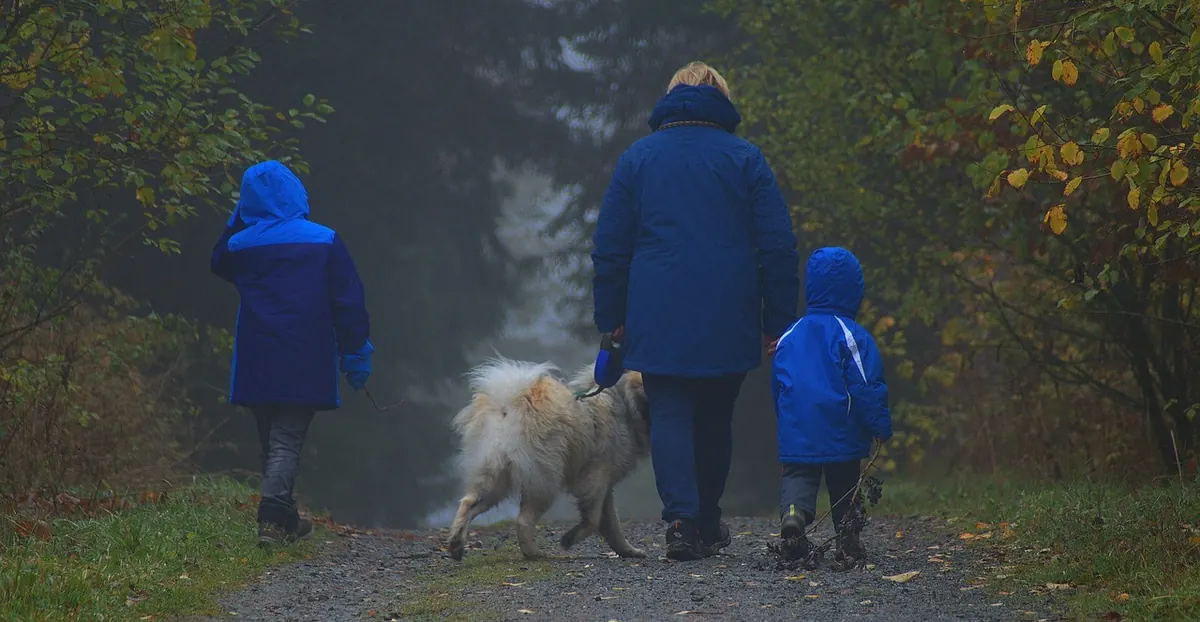
Forest walks with children are rarely the tidy, silent rambles you picture when you tie your boots. They are slower, louder, and often interrupted by a stick that has to be carried home. That is not a problem to solve; it is the point. What does need planning is the practical side: a route small legs can manage, clothes that survive mud, and a few tricks in your pocket for the moment enthusiasm runs out two kilometres from the car.
What follows is the checklist worth running through before heading into the woods — five steps, roughly ten minutes of preparation, and enough structure to make the day easier without turning it into a school trip.
1. Choose a Route for the Shortest Legs, Not the Longest Day
Distance on a map is not the distance a six-year-old walks. Roots, puddles and a stream that has to be inspected from every angle all add time. As a working rule, plan half the distance you would cover alone in the same time, then add a buffer.
Look for these things when picking the route:
- A loop rather than an out-and-back, if possible — children find retracing their steps strangely deflating.
- A clear turning point: a bench, a bridge, a big boulder. "We walk to the rock" lands better than "we walk for an hour".
- Wide, even paths for the first few walks. Narrow single track beside a drop is not the place to test a toddler's balance.
- A car park or gate you can find again, plus a paper map or an offline one as backup.
Check the forecast the morning of the walk, not the day before, and look at the local forestry or park website for closures and hunting seasons if those apply where you live. Tell someone at home where you are going and when you expect to be back. And decide in advance that turning around is a success, not a failure. The best route is the one the slowest walker finishes still smiling.
2. Dress Them for Mud, Weather and Brambles
Children get wet and cold far faster than adults, and they notice it far later. Layering is the whole trick: a base layer that wicks, a warm middle, and a waterproof outer shell that can be peeled off and stuffed in a bag.
Feet matter most. Trainers are fine on dry forest tracks and genuinely miserable on wet ones. Light walking shoes with a grippy sole, or better, ankle-high boots, will save a lot of complaints. Avoid brand-new footwear on a long walk — blisters end good days early.
Long trousers, even in summer, protect against brambles, nettles and ticks. Bright colours make a child easier to spot through trees. Pack a full spare set of clothes and socks in a plastic bag, and add a small towel if there is any chance of water nearby.
A short, sensible note on ticks: they are a real presence in many forests, and the advice is straightforward. Keep skin covered, check children thoroughly afterwards — behind the ears, hairline, waistband, armpits — and remove any attached tick promptly with fine-tipped tweezers. If a rash appears or you are unsure, speak to a doctor.
3. Pack Snacks, Water and a Small Repair Kit
Hunger arrives suddenly and ruins everything. Pack more food than you think you need, in portions that can be handed out one at a time. Apples, oatcakes, nuts (if there are no allergies in the group), cheese and something slightly sweet for the last hill all travel well.
Water for everyone, in bottles a child can carry themselves once they are old enough. A small backpack with their own water and a snack gives them a job, which usually works better than it sounds.
The rest of the bag:
- Plasters and a small roll of tape for grazes and hot spots.
- Sun cream and hats in summer; gloves and a spare hat in winter.
- A whistle for each child, with a rule that it is for emergencies only.
- A torch, even on an autumn afternoon.
- A bag for litter and for the treasures that will come home with you.
- A charged phone, and a paper map or a downloaded offline one.
4. Walk the Hazards Before You Walk the Trail
You do not need to frighten anyone. You do need to know what is in these woods and to say it out loud before you set off.
Water and edges
Streams, ponds and riverbanks cause more trouble on family walks than anything else. Agree a rule at the start: stop and wait at the water's edge, hand held, before anyone goes near. Slippery stones and cold water are worth a two-sentence warning.
Plants and fungi
Teach the simple version: nothing goes in the mouth unless an adult has said yes. Berries, mushrooms and bright leaves are for looking at. Wash hands before snacks, especially after handling anything picked up from the ground.
Trees, weather and getting separated
Stay off dead or leaning trees and away from branches overhead when it is windy. Turn back if thunder starts; open ground and tall trees are not good company in a storm. Before leaving the car park, explain what to do if someone gets lost: stop, stay put, blow the whistle, shout. Give older children a landmark and a meeting point.
5. Keep Them Engaged with Games That Need Nothing
The best way to prevent whining is to give children something to do with their eyes and hands. None of these need equipment or a screen.
Trail bingo. Before you leave, agree on five things to find: a feather, a Y-shaped stick, a tree with a hole, a mushroom, a footprint. The first to spot all five chooses the snack.
Sound maps. Stop every so often and ask everyone to close their eyes and count the different sounds for thirty seconds. Birds, wind, water, a distant chainsaw. Then compare lists.
Collector's walk. Give each child a small bag for fallen leaves, cones and stones. Set a rule: nothing alive is picked, nothing is taken where the reserve forbids it, and everything comes home or is returned before you leave.
Also let them lead. Handing a child the map — even while you quietly steer — changes the mood of a walk. Slow down for the things they find interesting, and build in a pause for a proper snack taken sitting down rather than eaten on the move.
The Five-Minute Pre-Door Check
Before the boots go on, run through this out loud so everyone hears it:
- Route chosen, turning point agreed, someone at home knows the plan.
- Layers on, waterproofs packed, spare clothes and socks in the bag.
- Water, snacks, plasters, whistle, torch, map.
- Hazards named: water, berries, dead trees, weather.
- One game ready, and the rule that we turn back when we need to.
Then go. The forest does the rest, and the walk will almost certainly be shorter and messier than planned. That is a good sign, not a problem.
Photo: anaterate / Pixabay